Enforce downscoping in token exchange for agent-to-agent calls
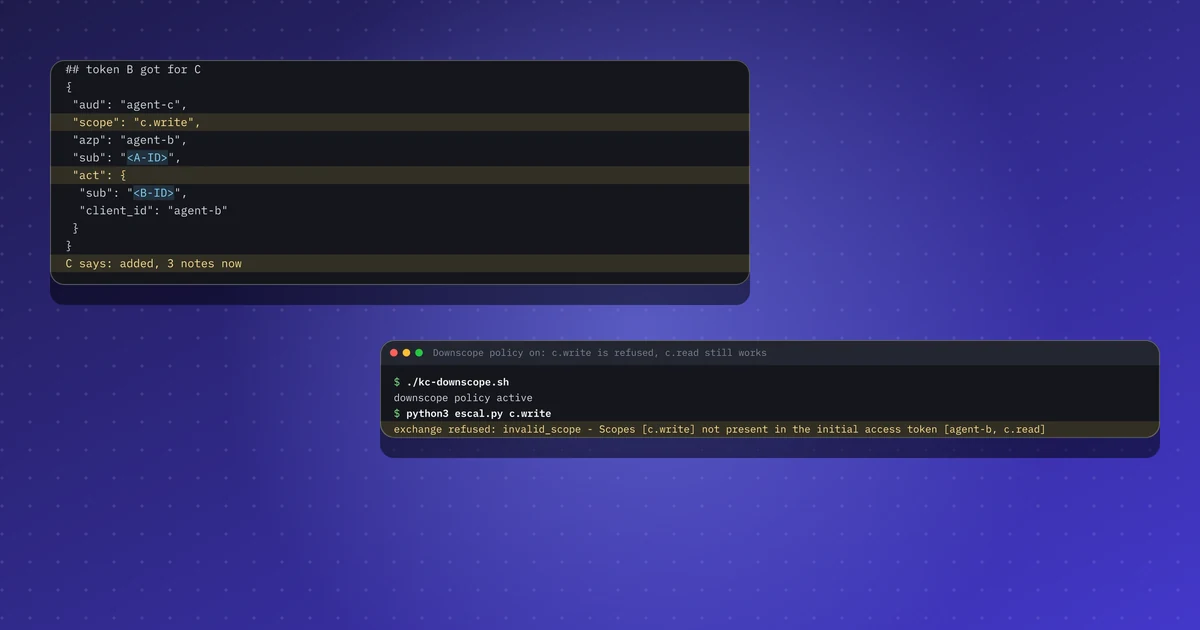
A Keycloak lab for A2A agents: the token B gets for C follows B's own scopes, not A's, unless you enforce downscoping. Stock run, control run and the fix.
Fetch or paste a discovery document and its keys. I read these before I trust a new issuer.
Runs in your browser. Nothing you paste is sent anywhere. Don't paste production private keys.
The page makes no network request while you work. The only exceptions are the buttons that say Fetch, which call the address you type. Keep real private keys out of any web page, including this one.
An issuer URL, or the discovery JSON itself and the JWKS if the fetch is blocked by CORS.
Samples are made with throwaway keys and example.test names. They mean nothing outside this page.
An issuer URL, or the discovery JSON itself and the JWKS if the fetch is blocked by CORS.
At the issuer URL plus /.well-known/openid-configuration. OAuth servers may publish /.well-known/oauth-authorization-server instead. Type the issuer and the page fetches it.
The browser needs CORS headers on the issuer. If they are missing, fetch the JSON with curl and paste it into the page.
The newest posts and labs on the same topic, picked automatically.
A Keycloak lab for A2A agents: the token B gets for C follows B's own scopes, not A's, unless you enforce downscoping. Stock run, control run and the fix.
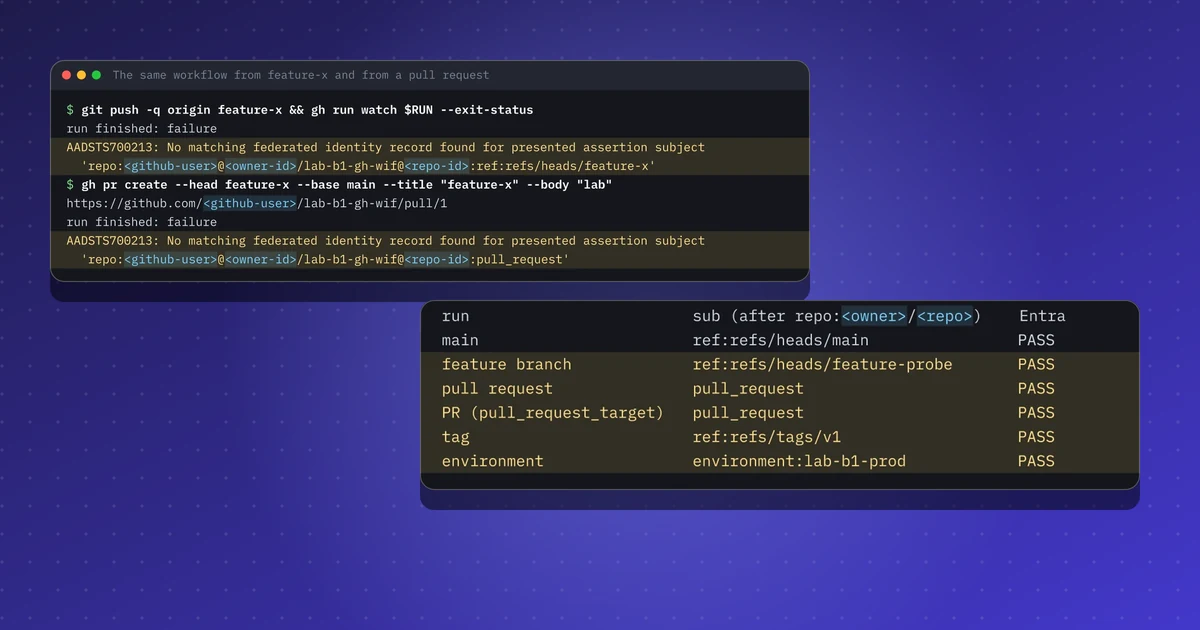
Lab: a GitHub workflow signs in to Azure with no secret. I print the sub of six kinds of run and show which credential lets each one in, pull requests too.
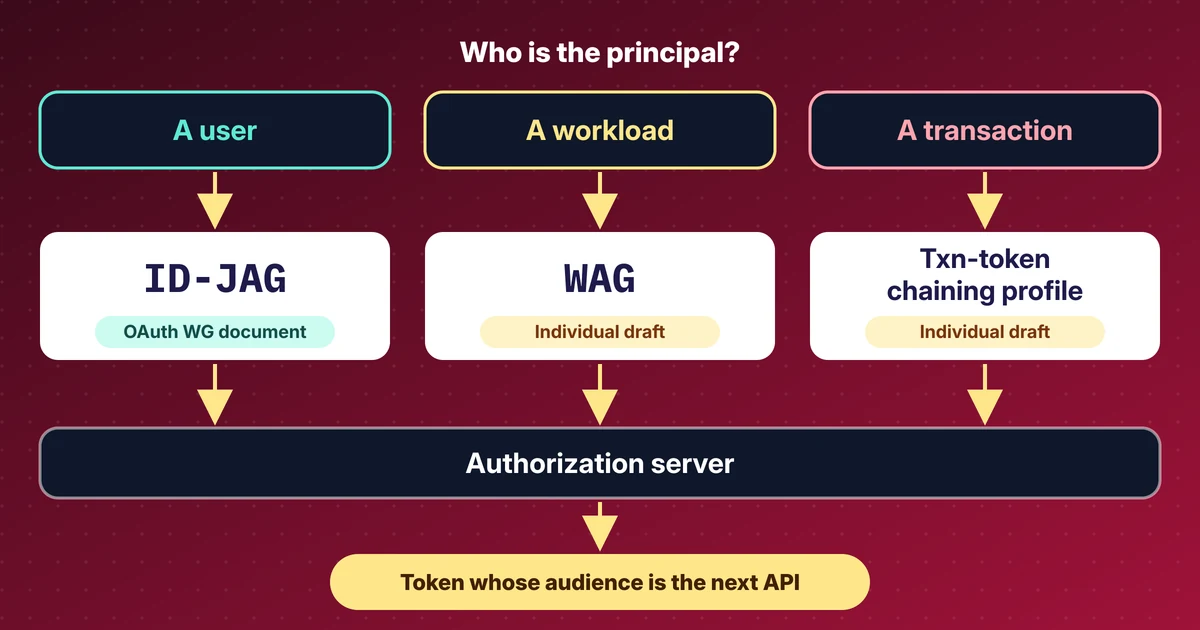
My reading of the IETF 127 OAuth and WIMSE sessions: ID-JAG, the Workload Authorization Grant, transaction tokens and actors, with draft revisions.
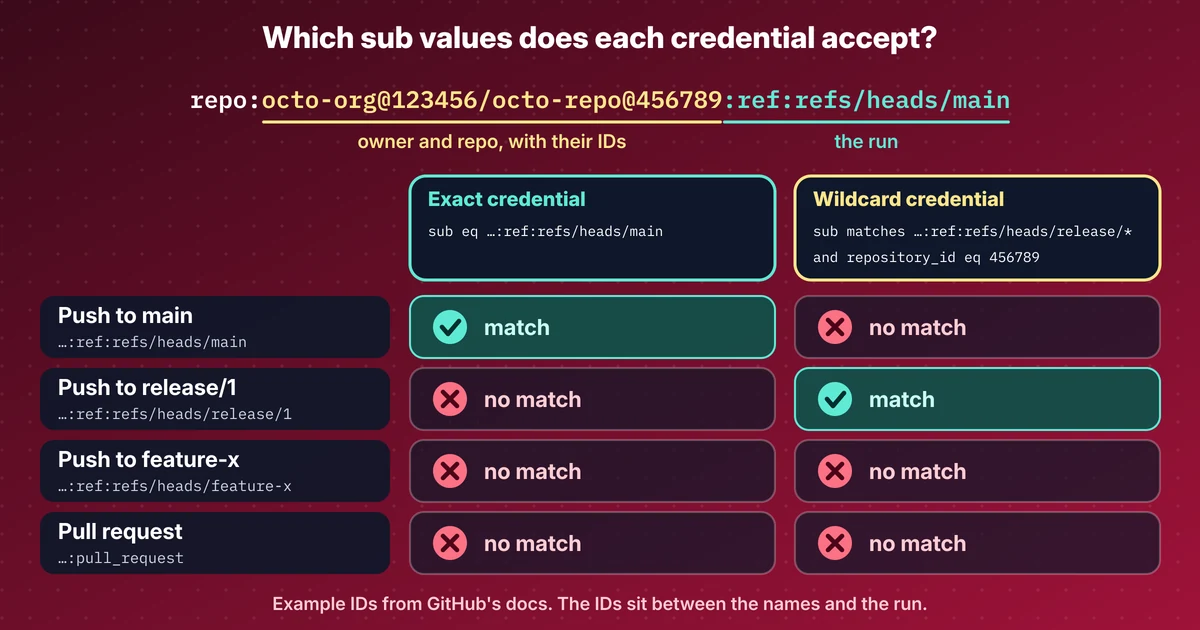
GitHub's default OIDC sub now carries owner and repo IDs, Entra wildcard credentials are still in preview, and WorkOS shipped agent auth. Sources and dates.