TL;DR
- On 18 November 2026, TechCrunch reported that Citi updated its Online User Agreement this week: customers who grant a third-party AI agent access are responsible for what that agent does, including if the tool leaks credentials or is hacked.
- The same report says JPMorgan and Bank of America announced similar policies in October 2026, PNC changed its terms on 18 November, and Citizens emailed customers in the same week.
- Wells Fargo's own notice says an updated Online Access Agreement takes effect on 24 November 2026: a third-party AI tool is not operated by the bank, and requests may be treated as if they came from you.
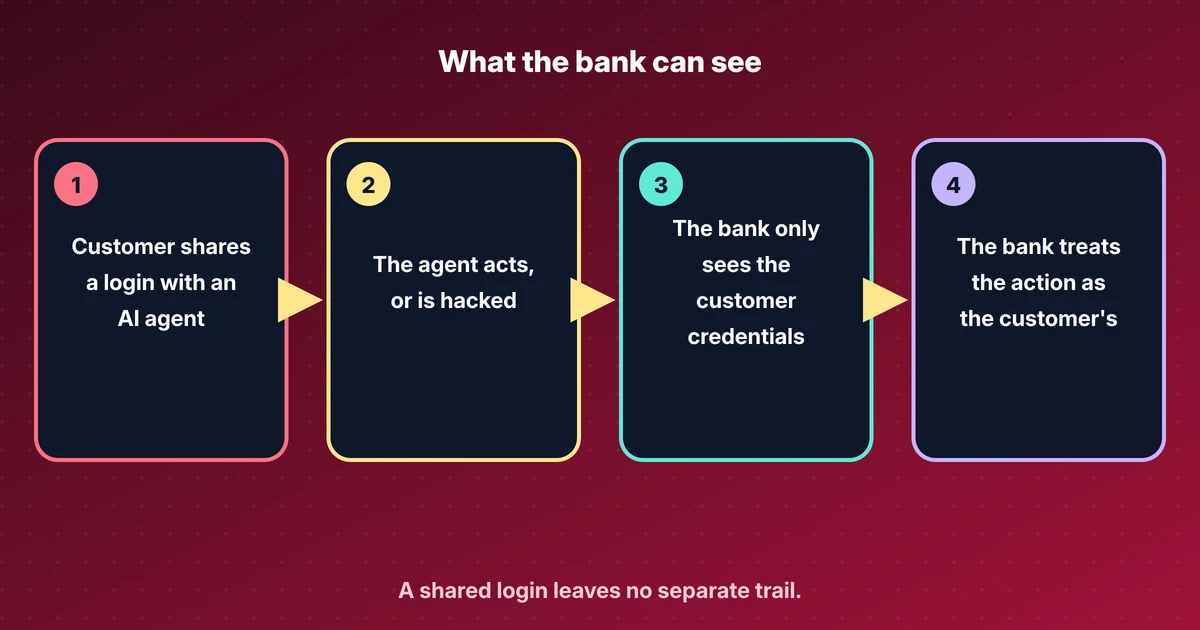
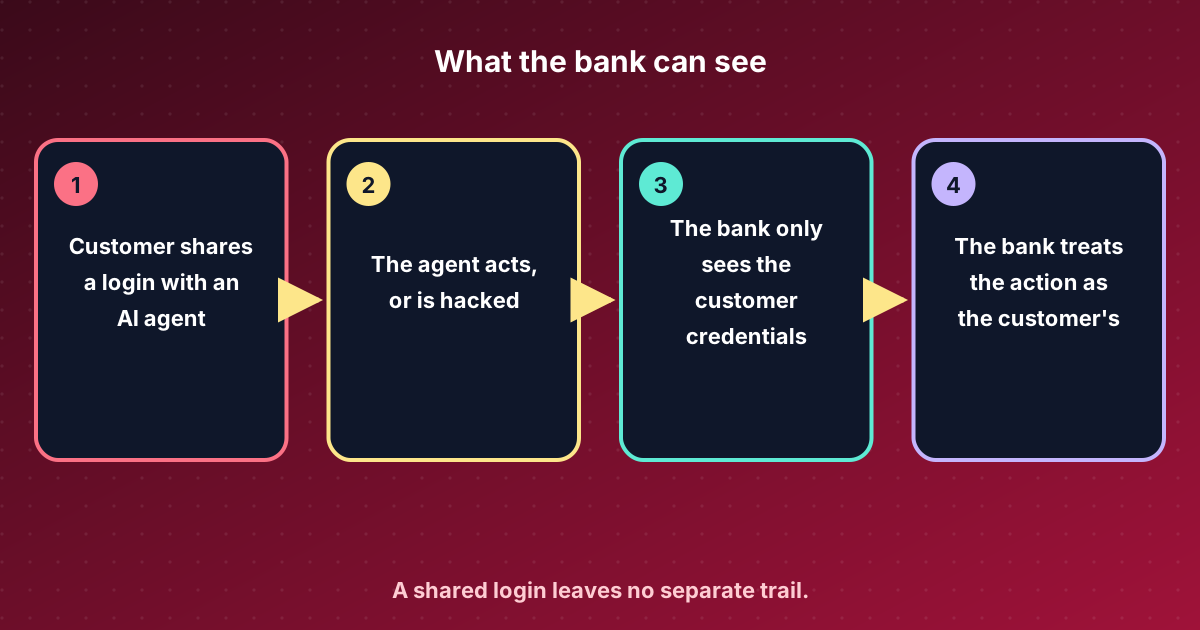
- According to TechCrunch, AI agents that Citi itself provides can be used without that extra liability. Until a bank can tell a person from an agent, a shared login is treated as you.
On 18 November 2026, TechCrunch reported that several large US banks have updated their terms for customers who give a third-party AI agent access to an account. The change is not a ban. It is a statement about who is responsible when something goes wrong.
What the banks said#
Citibank updated its Online User Agreement in the week of 18 November 2026. A Citi spokesperson told TechCrunch that customers who grant account access to third-party AI agents are responsible for activities conducted through those agents. TechCrunch also reported that Citi’s update goes further: if the AI tool leaks the credentials, or is hacked, the customer is responsible for what attackers then do with the account.
The same article says JPMorgan and Bank of America announced similar policies in October 2026, that PNC changed its terms on 18 November, and that Citizens emailed its customers in the same week.
Wells Fargo has posted its own customer notice: an updated Online Access Agreement takes effect on 24 November 2026. The bank says that if you use a third-party AI tool or agent to access your accounts, the tool is not operated by Wells Fargo, that requests submitted through the tool may be treated as if they came directly from you, and that it reserves the right to restrict or block access from certain third-party AI tools.
I am not a lawyer, and this is not legal advice. Some of these terms, including Wells Fargo’s, still leave room for protections that the law already gives you. The direction is still clear.
Why this is happening now#
An AI agent that signs in with the customer’s username and password looks, to the bank, like the customer. The audit trail, the record of who did what, does not show a separate actor. That is why a bank can say the agent’s payment, or a hacker’s payment after a leaked login, was authorised by you.
TechCrunch notes a useful contrast inside Citi’s own terms: AI agents that Citi itself provides can be used without that extra liability. The bank is drawing a line between tools it controls and tools it does not.
Anthropic’s personal finance tool, mentioned in the same article, is described as read-only: it “can’t move, manage, or invest your money.” That shrinks the risk of a payment going out, though it does not solve the case where a tool that only reads an account still holds a login.
What I would do#
Do not hand a bank login to a third-party AI tool unless you have a clear reason and you understand the terms. If a tool already has that access, revoke it at the provider, change the password if the tool had it, and keep a record.
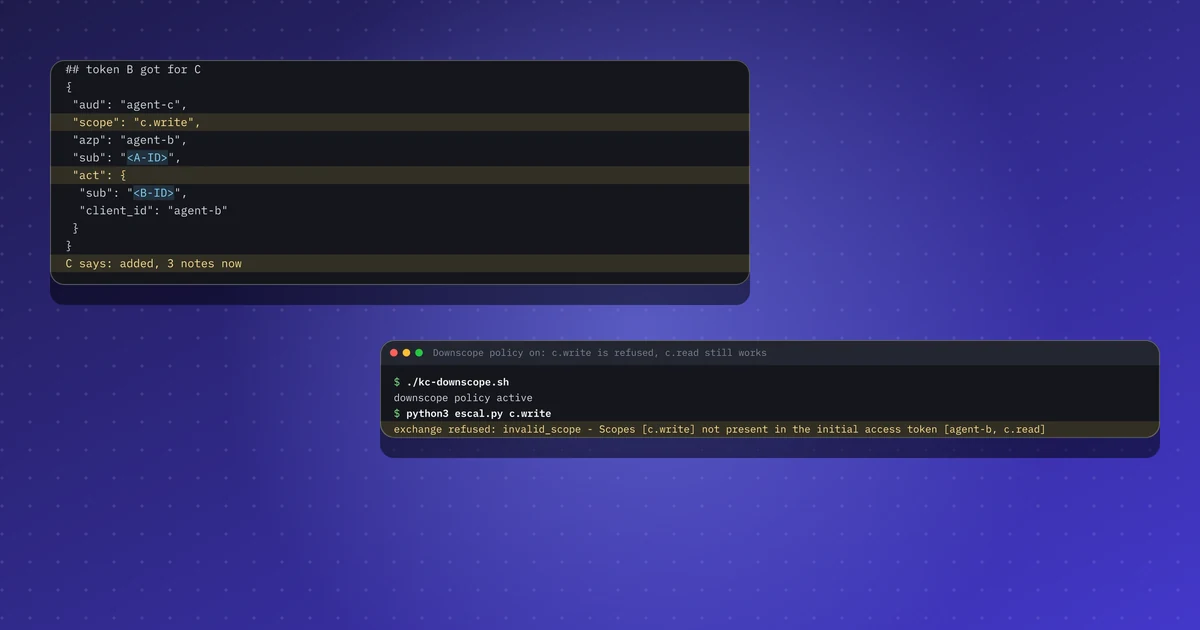
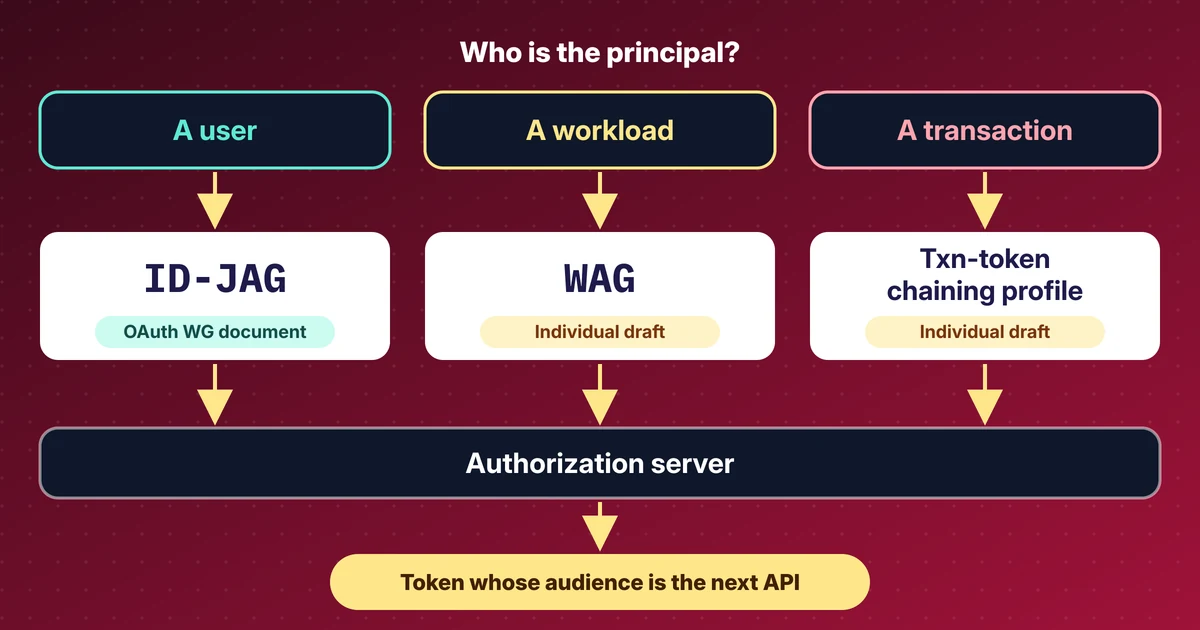
The better long-term pattern is a named agent with a narrow, time-limited permission that you can turn off without changing your own password. Banks and vendors are starting to talk about that, but the terms reported on 18 November still assume a shared login. Until the bank can tell a person from an agent, the agent is you.
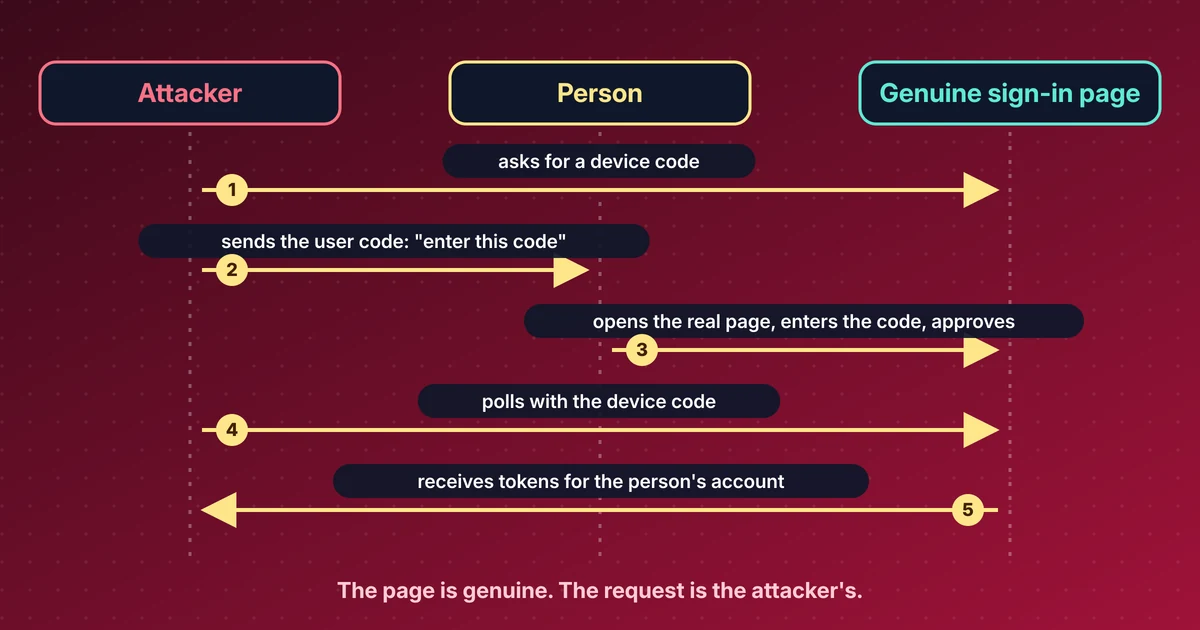
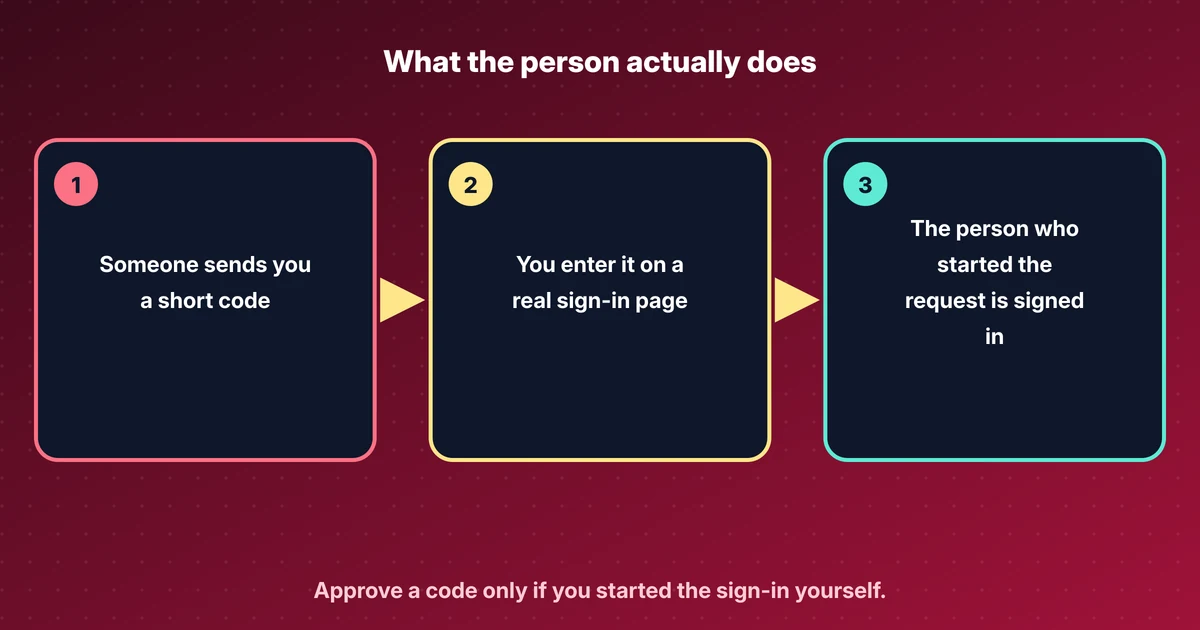
If you want the technical side of how an agent can get a token without sharing a password, I wrote about ID-JAG. On 17 November Microsoft also published a lab analysis of device code phishing against AI coding assistants.
Sources#
Discuss this post#
Found it useful? Share it, and tell me what you think.
This post as Markdown · RSS · JSON feed
New posts by email
One email a week with new posts and labs. Unsubscribe anytime.
Your address is stored with Kit, which sends the emails. Details